


Bystronic: Automation, software and service take centre stage
by Dagmar Dieterle-Witte
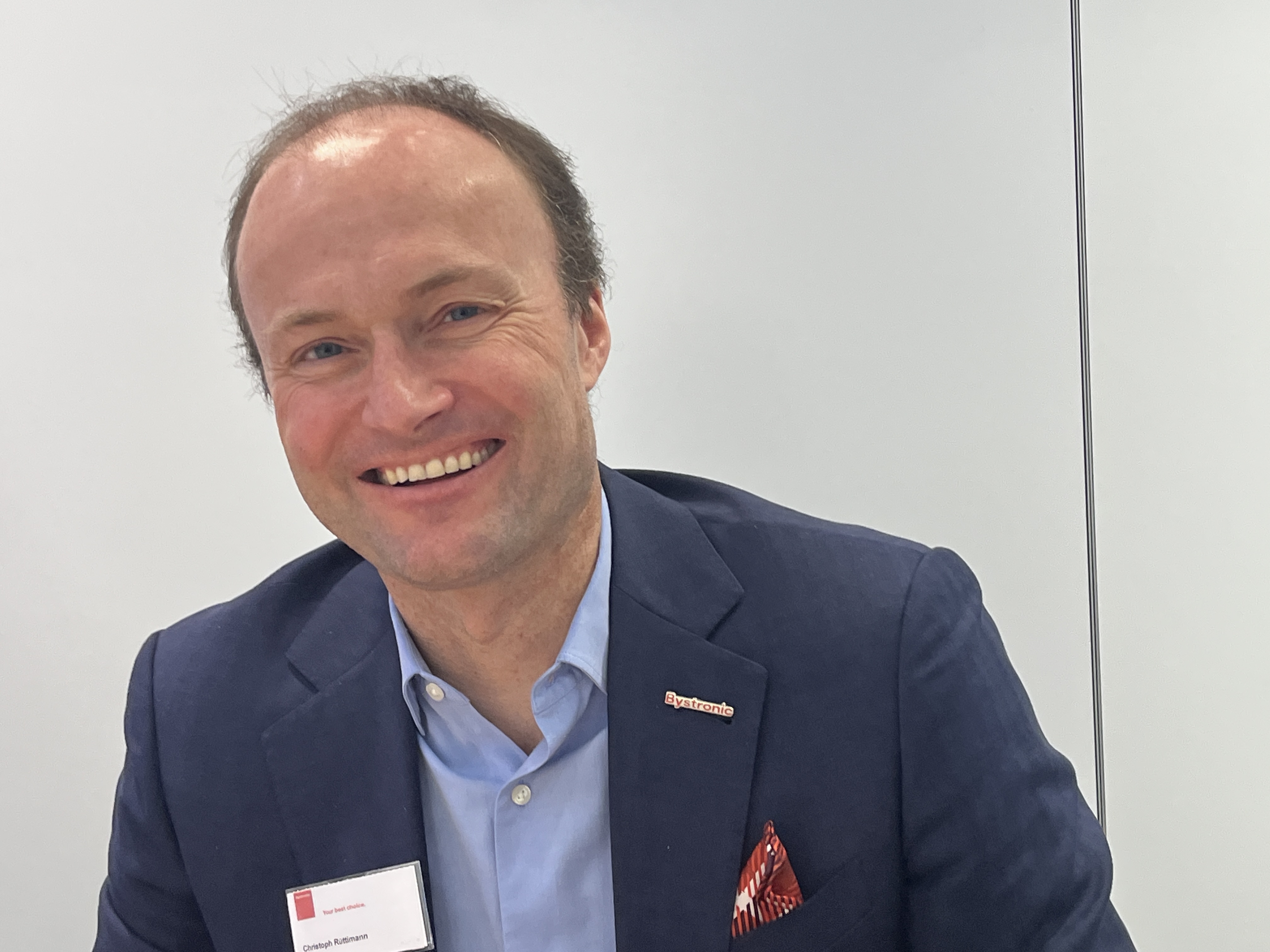
Bystronic is one of the leading providers of sheet metal processing solutions. The company develops and manufactures machines and systems for laser and waterjet cutting, as well as for bending, worldwide – increasingly complemented by software and automation solutions.
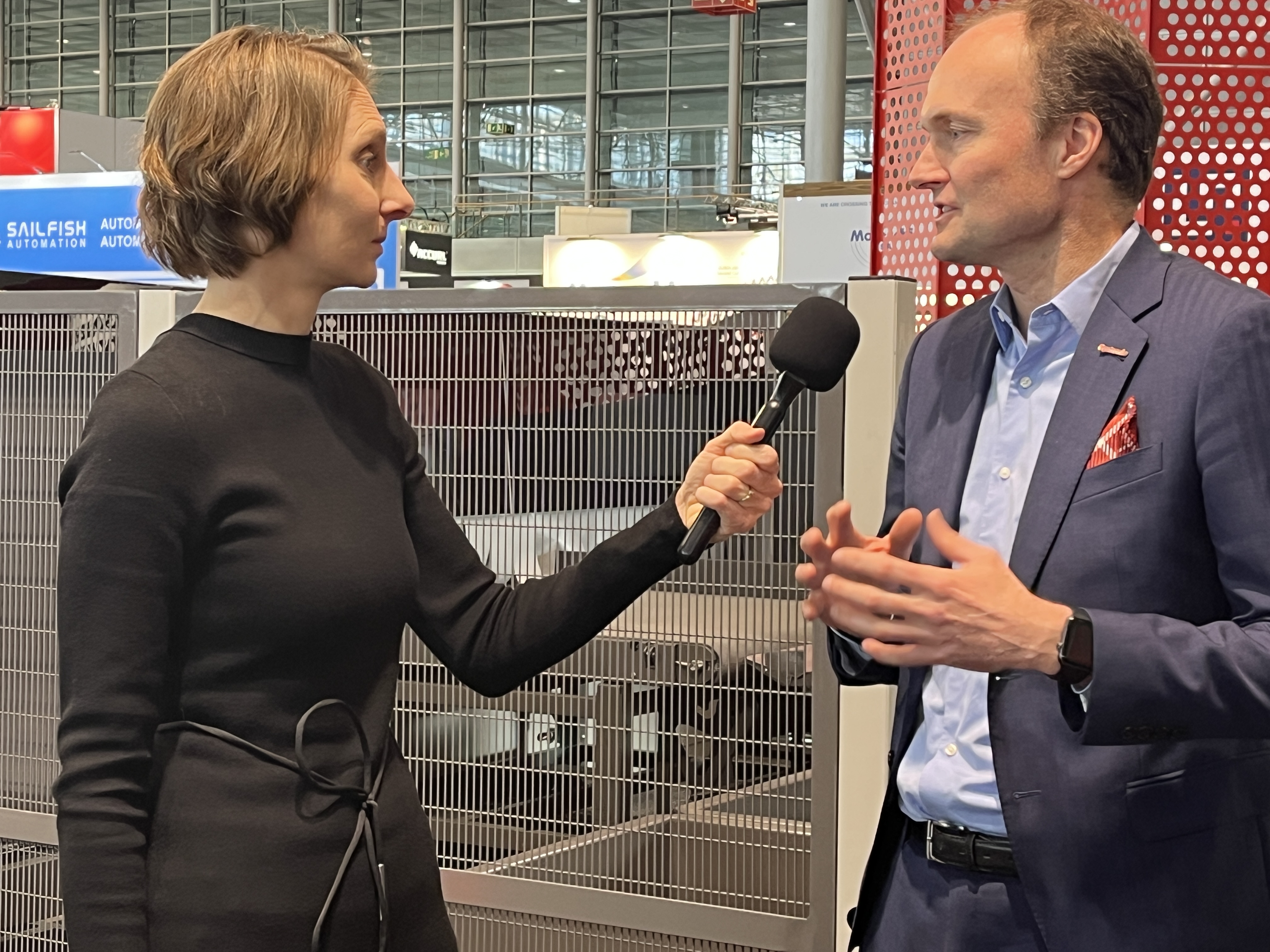
In our interview with marketSTEEL, Dr Christoph Rüttimann, Global Vice President Tube & Bending at Bystronic, explains how the market is changing and which trends are currently shaping the industry.
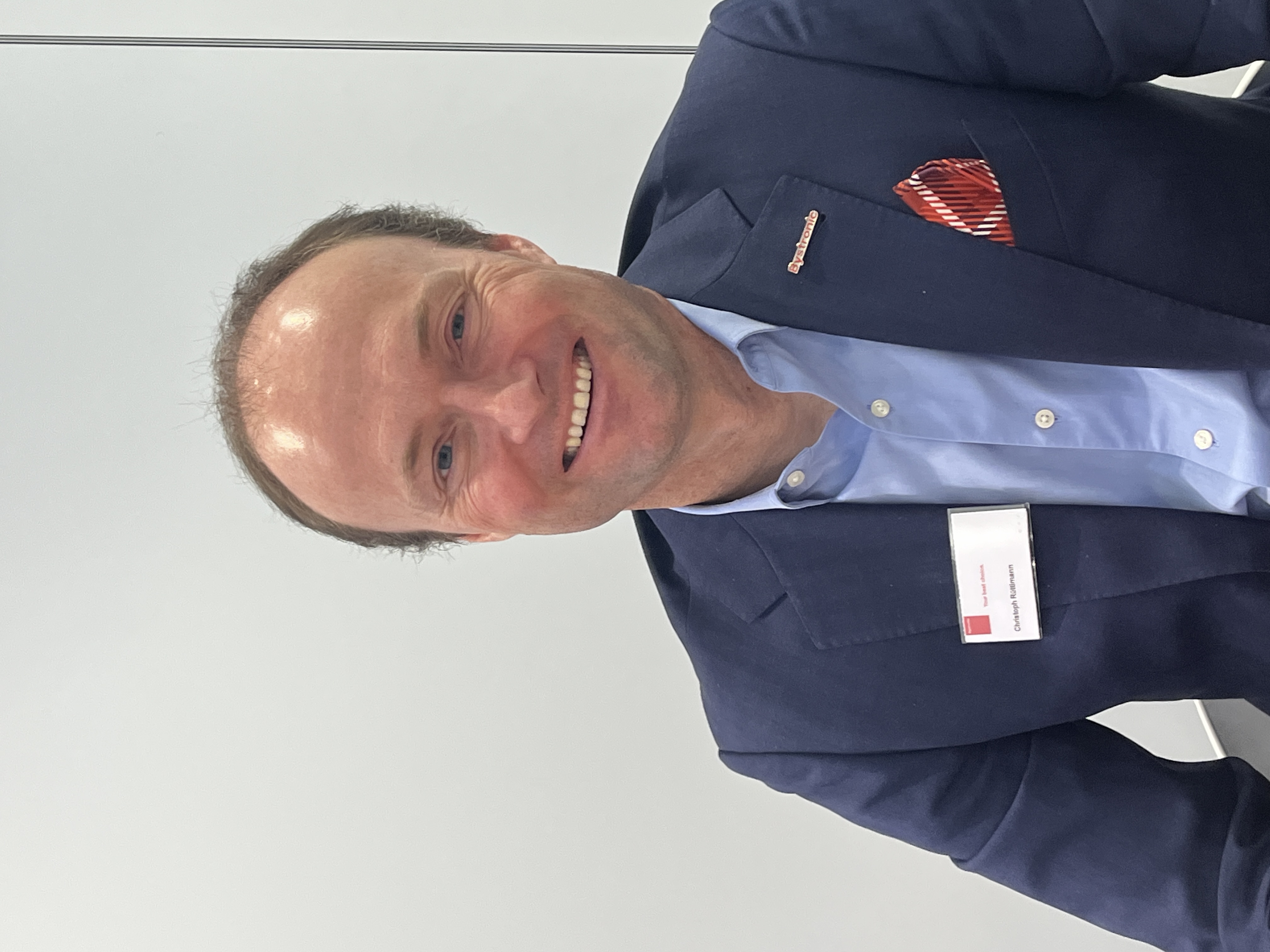 marketSTEEL: What trends is Bystronic currently observing?
We are seeing a significant rise in demand for fully integrated systems. The focus is shifting away from individual machines – be it a cutting system, a tube-processing machine or a bending machine – towards complete, automated solutions.
These include automated loading and unloading systems, as well as automated sorting of the machined parts. Software plays a central role in this, controlling these processes and linking them together.
However, this development also increases the complexity of the systems. At the same time, this places higher demands on service and availability. When a system breaks down, our customers expect an immediate response – either from a technician on site or through rapid remote solutions. Proximity to the customer and speed of response are therefore crucial.
In summary, we can clearly see a trend away from stand-alone machines towards integrated, automated system solutions.
marketSTEEL: To what extent do issues such as sustainability, the shortage of skilled workers or supply chain problems influence your strategic direction?
When it comes to supply chains, we take a regional approach. Bystronic manufactures its main products in the three major global regions – with plants in Europe, China and the USA. This enables us to utilise local supply chains and respond more effectively to bottlenecks.
Our customers, too, are increasingly relying on local sourcing, particularly for materials. Whilst imported steel may be attractively priced, transport costs and quality considerations often offset this advantage.
A key driver of automation is the shortage of skilled workers. Tasks such as the manual handling of heavy components or frequent tool changes are becoming increasingly difficult to staff. That is why we are developing solutions that reduce the workload on operators or partially replace them – for example, through robot-assisted systems or automated tool changes on bending machines.
 When it comes to sustainability, the focus has shifted slightly in recent times. Whilst it was very much in the spotlight a few years ago, it has now receded somewhat into the background due to the geopolitical situation. Nevertheless, we remain firmly committed to this path.
We rely on energy-efficient technologies, such as the use of fibre lasers instead of CO₂ lasers. For bending machines, we utilise concepts similar to our automatic start-stop system, whereby energy is consumed only during actual operation.
We also offer solutions for the in-house production of nitrogen for the cutting process – for example, in combination with photovoltaic systems. This enables customers to make their processes more efficient and sustainable.
Another step forward is our partnership with SSAB, through which we have optimised our machines for processing low-carbon steel. In this way, we actively support our customers in achieving their sustainability goals.
Conclusion:
Developments at Bystronic show that automation, software integration and service are becoming key success factors. At the same time, skills shortages and efficiency requirements are driving demand for intelligent system solutions – complemented by a sustainability approach that remains important, albeit viewed in a more nuanced way.
Photos: marketSTEEL