


From steel to aluminium: Steel Dynamics relies on tried-and-tested technology and recycling
by Dagmar Dieterle-Witte
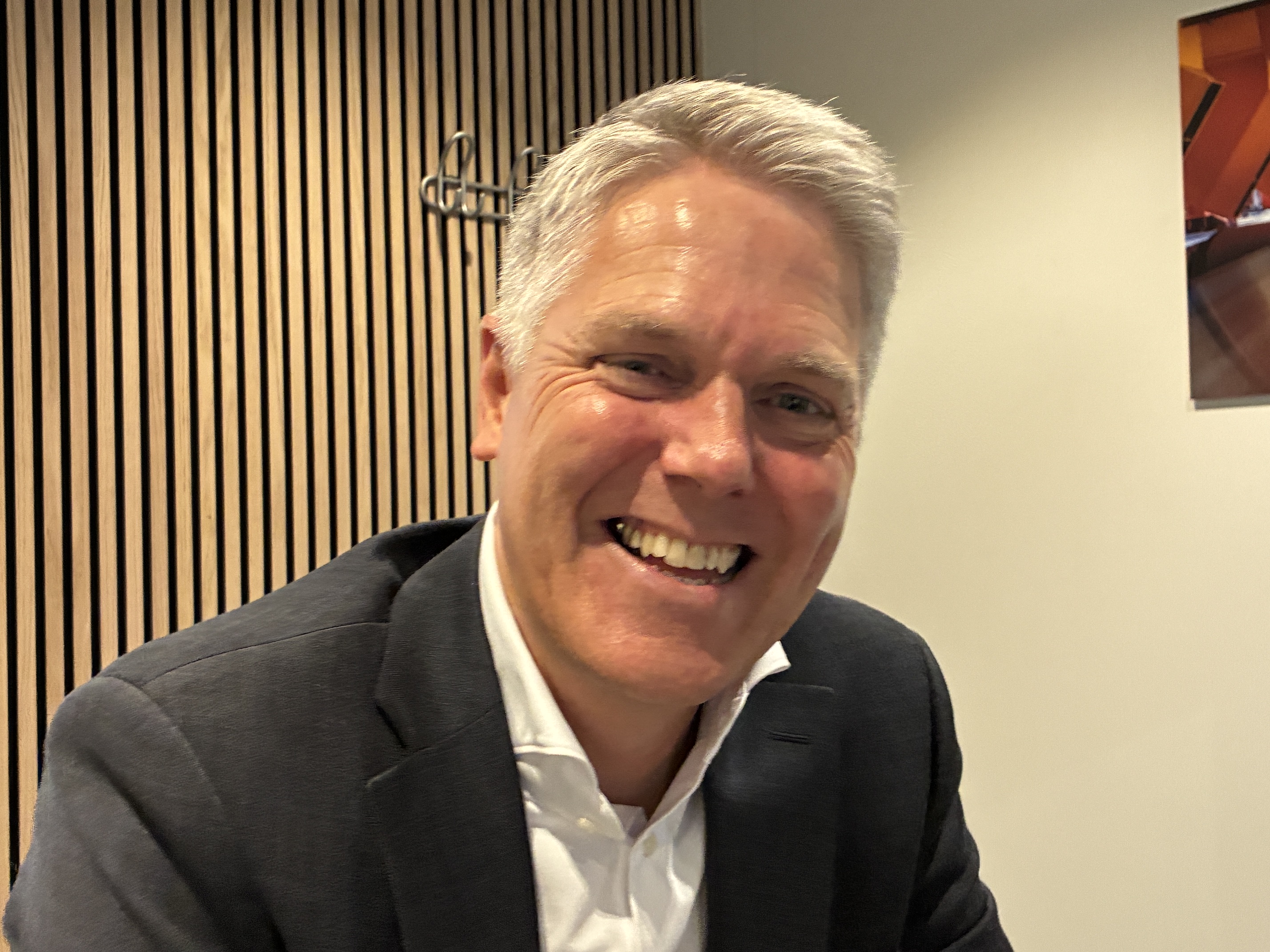
With a new aluminium flat rolling mill in Columbus, Mississippi, Steel Dynamics is entering a new business sector. The SMS group is supplying key components of the plant’s engineering systems. In an interview with marketSTEEL, Michael Schäfer, industrial engineer at the SMS group, explains the technological features of the project, the challenges involved in plant construction and the importance of aluminium recycling.
Steel Dynamics has long been a well-established player in the steel industry. Through its subsidiary Aluminium Dynamics, the US group is now also active in the aluminium market. In Columbus, Mississippi, Aluminium Dynamics has built an aluminium flat-rolling mill, which is now operational and is expected to produce up to 650,000 tonnes of aluminium sheet per year for a variety of applications. Its target markets include, in particular, the beverage packaging and automotive industries.
The SMS group has supplied the key plant components for the process chain, including all hot and cold rolling mills, the coil logistics systems and a coating line. In doing so, the plant manufacturer relied on tried-and-tested rolling mill technologies, state-of-the-art automation and a plant layout tailored to the production processes. In an interview with marketSTEEL, Michael Schäfer explains the challenges involved in such a large-scale project and why access to aluminium scrap plays a crucial role.
“The plant configuration follows established standards”
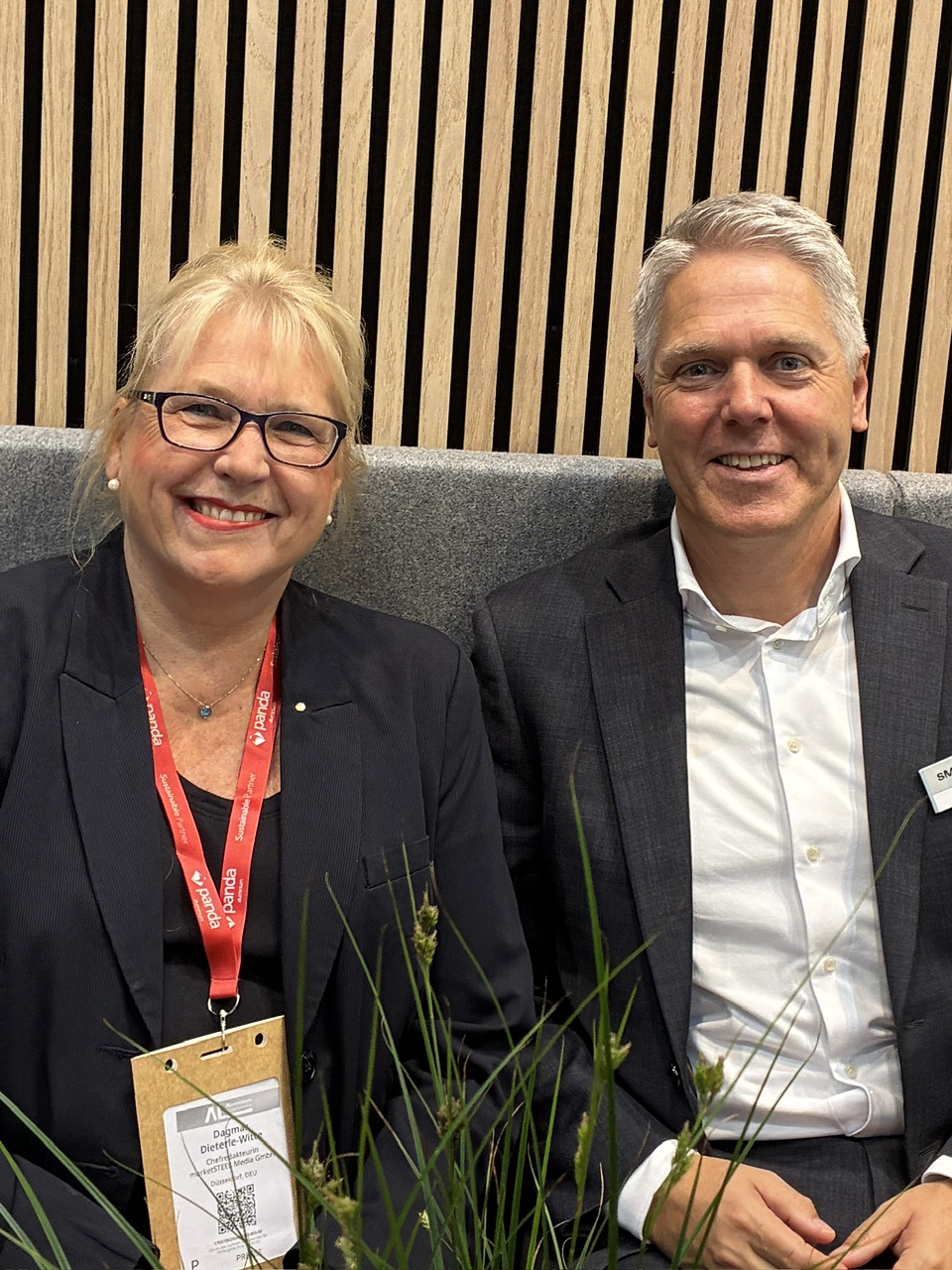 marketSTEEL: The SMS group is involved in the new Aluminium Dynamics flat rolling mill in Columbus, supplying key components of the process chain. What makes this project particularly special from a technological perspective?
Michael Schäfer: First and foremost, it is a highly modern plant featuring state-of-the-art plant technology and automation. A key advantage is that the entire plant could be planned from scratch on a greenfield site. This makes it possible, in particular, to optimise internal logistics and production processes right from the start. Plants that have evolved over time often have to make compromises in this regard.
In purely process-technological terms, the new plant utilises tried-and-tested technologies that we have already successfully deployed on numerous occasions elsewhere.
The plant is designed for the production of flat aluminium products for beverage cans and automotive applications. In the case of beverage cans in particular, the manufacturing steps in the rolling mill are largely standardised due to the subsequent requirements for can production and the resulting qualification procedures set by the end customer.
Different aluminium alloys with varying strengths are used for the can body and the can lid. The corresponding rolling processes must therefore be very precisely tailored to the respective material properties. At the same time, from the end customers’ perspective, the products must be of consistent quality and interchangeable with comparable products from other manufacturers. The plant configuration therefore deliberately follows established standards.
“The biggest challenges lay in project management”
marketSTEEL: The plant is designed for an annual capacity of 650,000 tonnes of aluminium sheet and is intended to serve various markets. What are the greatest technical challenges in a project of this scale?
Michael Schäfer: The actual plant engineering is part of our day-to-day business. At the time, Steel Dynamics made a conscious decision to rely on tried-and-tested technologies.
The particular challenges lay rather in project management and the organisation of the international supply chains. The project took place shortly after the COVID-19 pandemic, at a time when global procurement and logistics structures were still under considerable pressure.
Added to this were changes in trade policy and customs regulations, which had an impact on our international manufacturing and procurement markets. As a result, procurement shifted its focus from China to alternative countries such as India, Vietnam and Korea.
Building a complete aluminium plant from scratch under these conditions was a challenging task. Furthermore, whilst our client had extensive experience in the steel industry, they were breaking new ground in the aluminium sector.
“Anyone investing in aluminium must consider recycling right from the start”
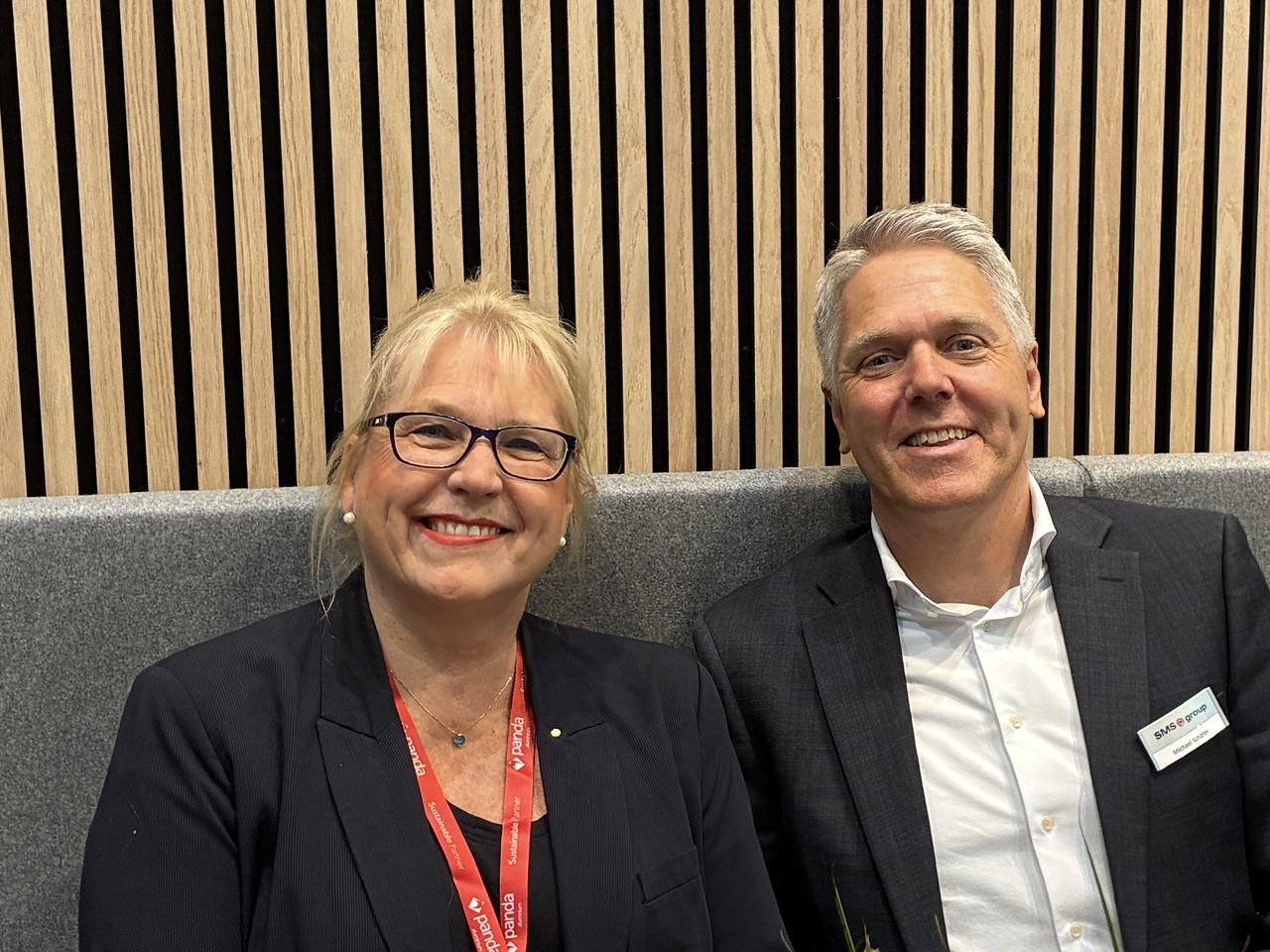 marketSTEEL: Aluminium Dynamics is part of Steel Dynamics, a company that originally came from the steel industry and is now investing heavily in aluminium. Is this an isolated case, or does it signal a trend that could prove interesting for the entire metals industry?
Michael Schäfer: I am convinced that this development could prove interesting for the metal industry as a whole. As there were only limited growth opportunities left in the conventional US steel market, the move into the aluminium industry opened up new prospects for Steel Dynamics.
Of particular interest is the approach Steel Dynamics is taking to tap into this market. The company is applying its minimill experience and its lean, efficiency-focused mindset from steel production to the aluminium industry.
From the very beginning, Steel Dynamics has shaped and successfully implemented this philosophy in the CSP® plants it has built in collaboration with SMS. CSP stands for Compact Strip Production, a process for the cost-effective production of hot-rolled steel strip. The experience gained at Steel Dynamics with efficient production structures is now to be utilised in the aluminium industry as well.
There is also a crucial additional advantage: the Steel Dynamics Group includes OmniSource, a major metal recycler. This means the company already has access to secondary raw materials, including aluminium scrap.
This is a significant competitive advantage. Anyone wishing to invest in aluminium production today must take raw material supply and recycling into account right from the start. The crucial question is: how do I secure my feedstock in the long term and on competitive terms?
Without an appropriate raw materials strategy, the profitable operation of an aluminium smelter is hardly conceivable.
Photos: marketSTEEL