


The route to a climate-neutral steel mill - hydrogen storage
by Dagmar Dieterle-Witte
files/meinungen/ambartec-container_testanlage.jpg
Interview marketSTEEL with Matthias Rudloff, CEO of AMBARtec
 marketSTEEL: How is the hydrogen in your system transported - locally, regionally or over longer distances?
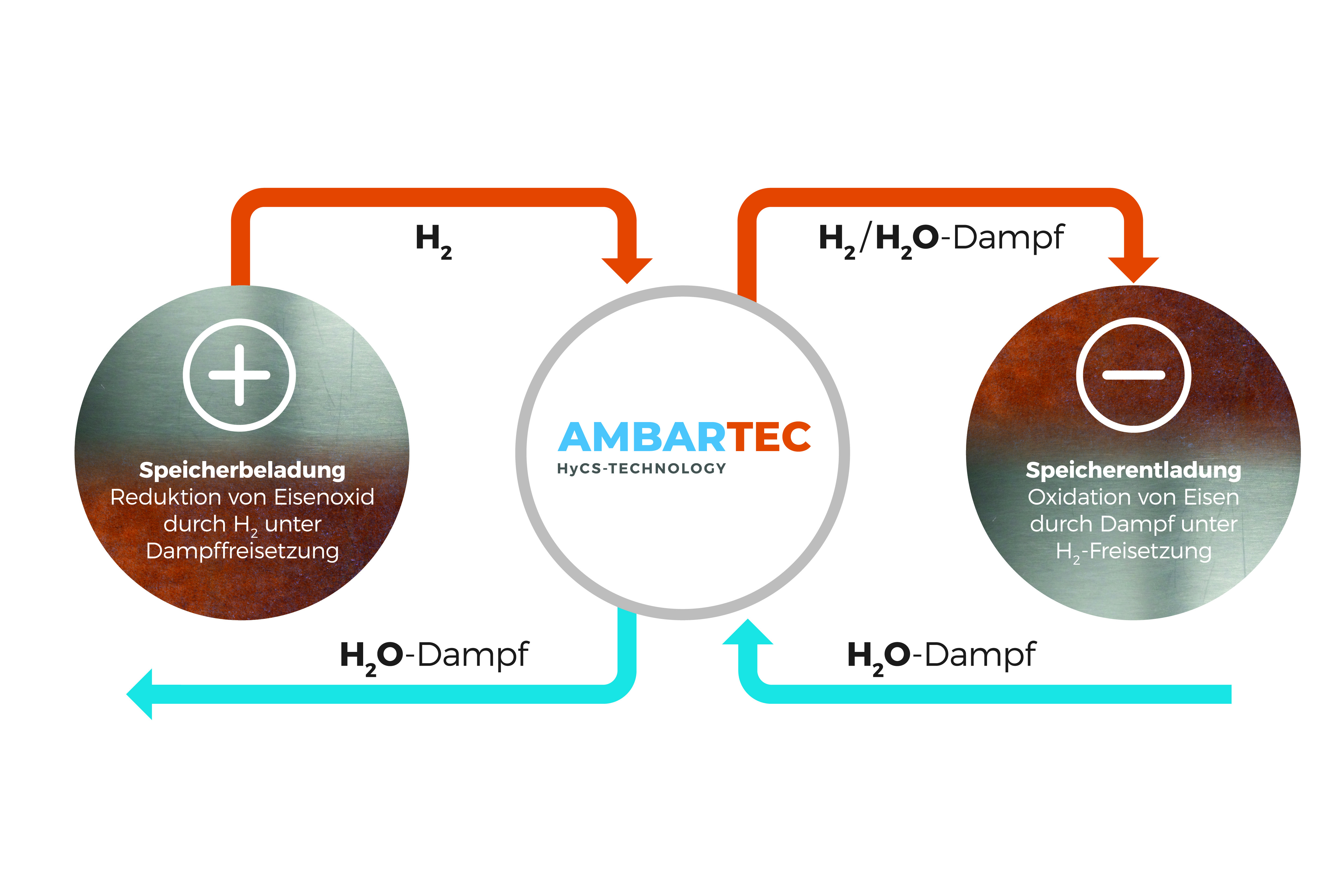
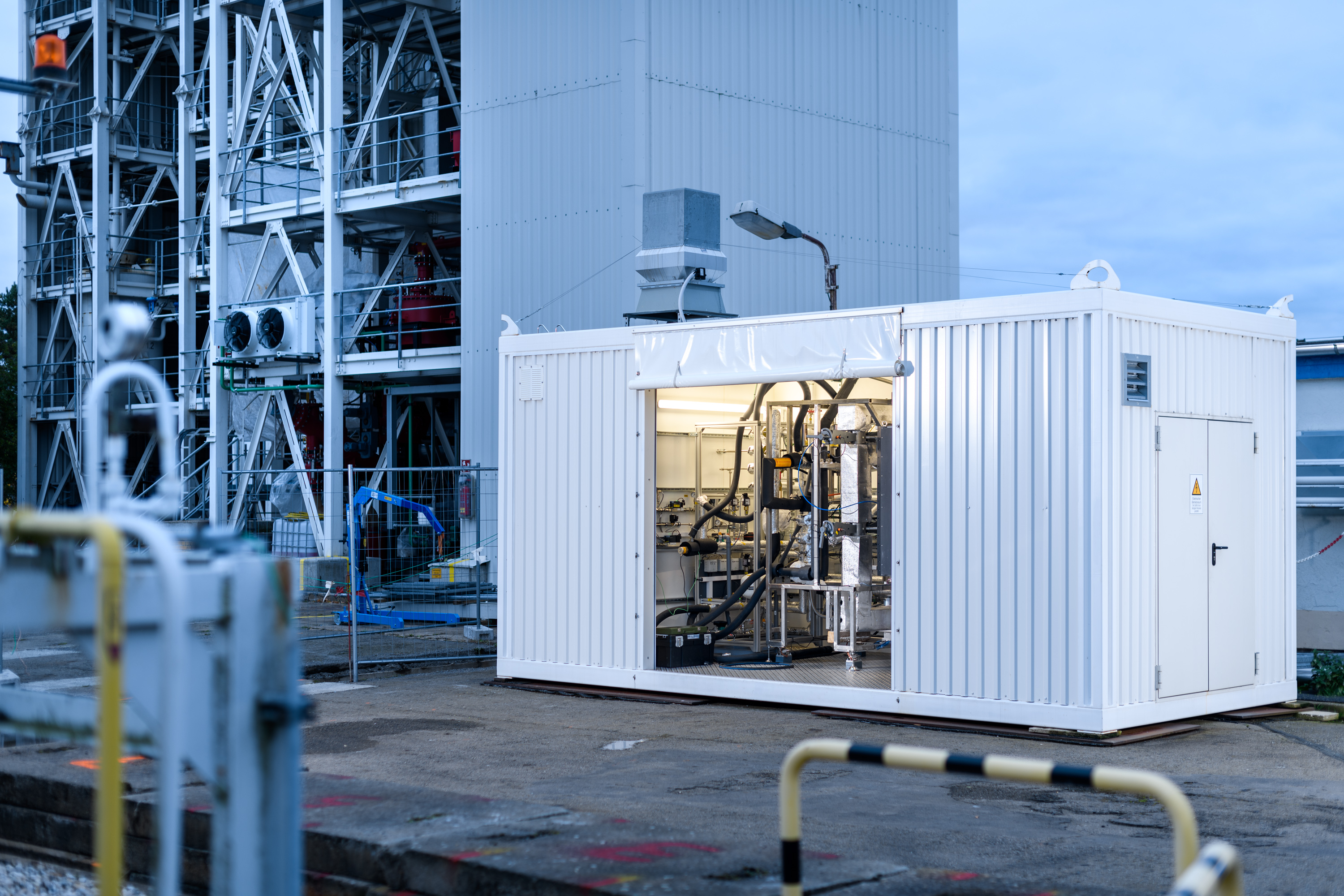
Our storage systems are integrated into conventional 20' containers that can be moved and transported using standard transportation logistics - cranes, trucks, trains, ships - which also makes shipping relatively uncomplicated. In the medium term, however, we are focusing on bulk goods for reasons of economic efficiency in intercontinental sea transportation. Normal freighters, such as those used for the transportation of grain, will also be used here. Ships specially converted for hydrogen tanks are not required.
marketSTEEL: What infrastructure is required to be able to use your storage technology across the board?
As already explained, we do not need a particularly adapted infrastructure for storage and transportation. The hydrogen producer must have a loading station that feeds the collected hydrogen into the storage facility. Similarly, we provide the user with an unloading station. In both cases, these are standard containers. In a stationary application, the loading and unloading units are combined in one container.
 marketSTEEL: What challenges do you currently see in the ramp-up of a hydrogen-based industry?
On the positive side, in my experience, many companies continue to see the high potential of hydrogen to make our economy more secure and sustainable. Thanks to the numerous technological developments, the economic competitiveness of hydrogen will also increase. There is still room for improvement when it comes to reducing regulatory requirements and greater openness to technology, both in terms of subsidies and crediting against quotas.
We also need clear incentives to implement viable business models for the use of hydrogen. The CO2 price alone is not a sufficient driver.
marketSTEEL: What political or economic measures do you think would accelerate the hydrogen economy in Germany?
 Above all, incentives are needed for the use of hydrogen. The drivers here are the start of climate-neutral production - driven by customers; which would be the ideal solution, voluntary commitments by companies or political guidelines.
The requirement in the draft of the Power Plant Security Act regarding hydrogen-based long-term storage should be retained as a matter of urgency in order to ensure that demand from the energy industry is sustainable.
Legislators must give companies planning security and implement the announced investments quickly. Less complicated requirements, for example in the ecological assessment of industrial processes, would also be a benefit.
marketSTEEL: Where do you see AMBARTEC in the next five to ten years - nationally and internationally?
We are convinced that we can make a difference in the ramp-up of the hydrogen economy worldwide. Our (conservative) business plan, which is based in particular on the sale of transport containers, envisages a turnover in the three-digit million range in five years with over a hundred employees (today we have just under 20). We will be working more closely with plant constructors in this area and also awarding corresponding licenses. There is further relevant sales potential here.
marketSTEEL: What would you like to see from the steel industry in dealing with innovations like yours?
The European steel industry is facing major economic and sometimes disruptive challenges. Nevertheless, those in charge should take the time to look at alternative options beyond known solutions, such as direct reduction.
marketSTEEL: Do you have a personal vision of a climate-neutral industry?
My entire professional life has been shaped by how our industry can be made more environmentally and climate-friendly through technological progress. I am convinced that we will succeed in reconciling high living standards and a sustainable economy - and that this will also be possible in the long term for future generations.
Thank you for the interview
Photos: AMBARtec/© BLEND3 Frank Grätz