


Over 300 companies back EUROMETAL call to protect Europe’s steel industry
by David Fleschen

A broad coalition of European steel producers, distributors, processors and downstream manufacturers is urging the European Commission and EU member states to take immediate action to protect the continent’s steel and metals value chain from what it describes as an accelerating process of deindustrialisation.
The call-to-action, coordinated by EUROMETAL and supported by more than 300 companies and 35 national associations, has been formally submitted to EU governments and the European Commission. It outlines a comprehensive package of trade, energy and industrial policy measures aimed at stabilising the sector under increasingly challenging global conditions. EUROMETAL said in a statement that the initiative reflects an “unprecedented level of alignment” across the industry.
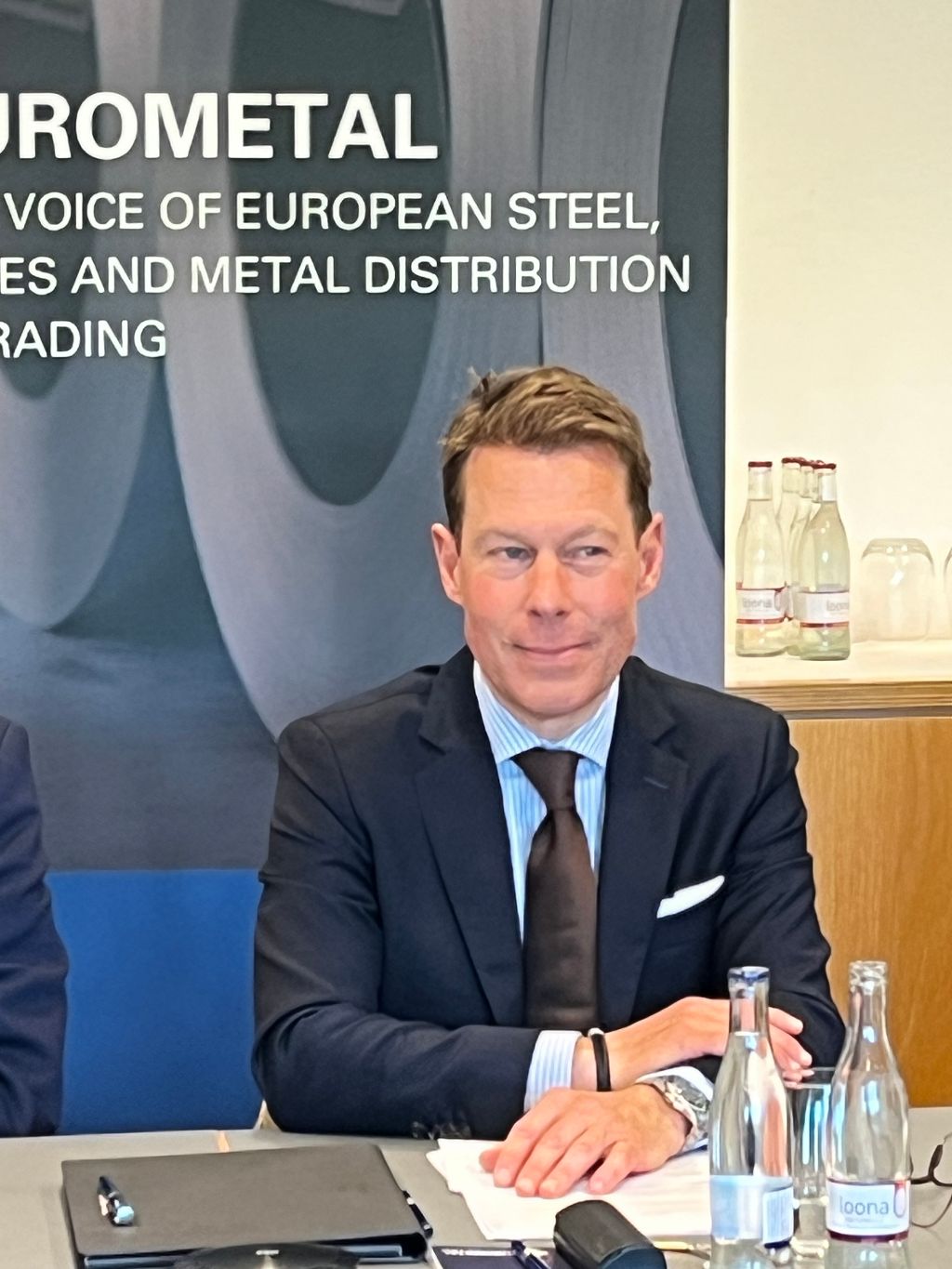
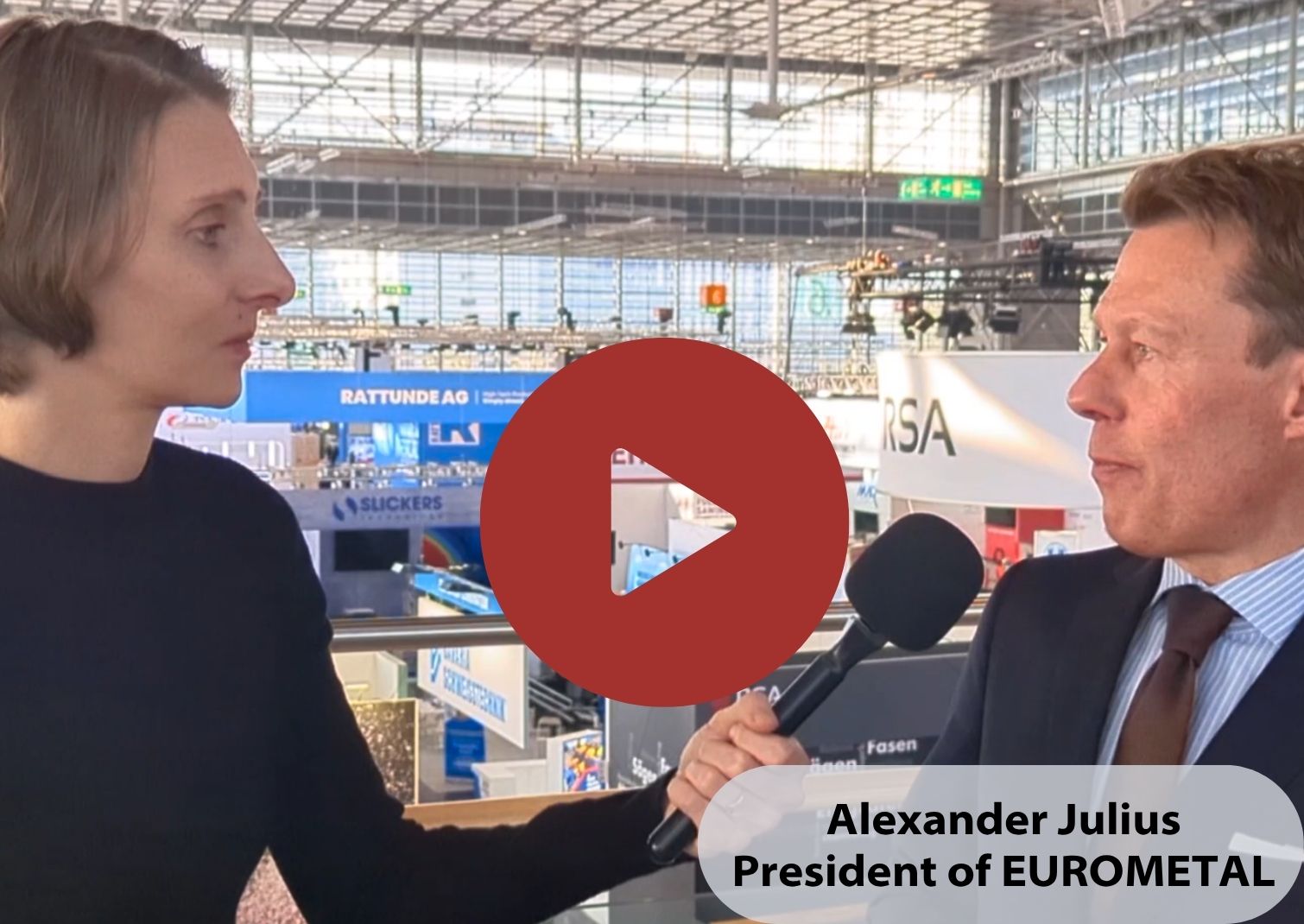
Presenting the initiative at Wire & Tube 2026 in Düsseldorf, EUROMETAL President Alexander Julius underlined the urgency of the situation, describing it as a joint effort “supported by the entire steel value chain” and warning of “the looming loss of industrial core competencies in Europe.”
Immediate trade measures at the center of industry demands
At the core of the proposal is a demand for stronger and immediately applicable trade defence instruments. The signatories are calling for a new regime to replace the current EU steel safeguard measures, including tariffs and tariff-rate quotas covering not only steel but also derivatives and steel-intensive products (CN codes 73–95).
The objective is to ensure fair competition and prevent circumvention, particularly in light of increasingly sophisticated trade diversion practices. The proposal also stresses the need to align EU measures with those already in place in major markets such as the United States and Canada.
Julius pointed to “massive cost pressures” and a lack of effective protection mechanisms as key challenges facing European companies.
CBAM extension seen as key to protecting downstream industry
A second key element is the extension of the Carbon Border Adjustment Mechanism (CBAM) to downstream and steel-intensive products. The signatories argue that limiting CBAM to primary steel risks shifting carbon leakage further along the value chain, undermining both industrial activity and climate objectives in Europe.
By expanding CBAM coverage, the alliance aims to prevent the relocation of value creation to third countries and to ensure that decarbonisation efforts remain economically viable within the EU.
“Made in EU” push aims to strengthen strategic autonomy
The initiative also calls for the introduction of stronger “Made in EU” requirements, particularly in public procurement and funding schemes. This includes infrastructure projects, defence procurement, tax incentives and support for e-mobility.
According to the signatories, prioritising European-produced materials is essential to preserve industrial capabilities, secure supply chains and maintain strategic autonomy in critical sectors.
Energy costs and regulatory burden weigh on competitiveness
High energy costs remain a central concern. The signatories point in particular to persistently high energy and regulatory costs in Europe, combined with global trade distortions and protectionist measures by third countries.
The call-to-action proposes reducing industrial electricity prices to a maximum of 5 ct/kWh, alongside a review of the EU Emissions Trading System and a slower phase-out of free allowances under CBAM. In addition, the alliance is calling for a reduction in regulatory burdens at both EU and national level to improve the overall competitiveness of European industry.
Julius stressed that many companies, particularly SMEs, are already under significant strain.
Millions of jobs linked to steel value chain at risk
The document highlights the broader economic implications, estimating that more than 13 million direct jobs in the steel and metals sector are at risk, with up to 65 million jobs indirectly linked to the industry.
At the press conference, Julius reinforced the scale of the issue, stating that “more than one million direct jobs” are already under acute pressure and pointing to the wider employment footprint of the metals sector across Europe.
The signatories argue that such losses would not only weaken Europe’s industrial base but also increase dependence on third countries and place additional pressure on social systems.
Policy response now decisive for Europe’s industrial future
While reaffirming support for the EU’s climate targets, the alliance emphasizes that decarbonisation must be accompanied by globally competitive framework conditions. Without this balance, the transition to low-carbon steel production could accelerate the relocation of industry rather than strengthen it within Europe.
At the press conference, Julius reiterated that the initiative reflects concerns across the entire value chain, describing it as “an European Initiative supported by the entire steel value chain.” He again pointed to “massive cost pressures” and rising strain on companies, particularly SMEs.
The call-to-action now puts the issue squarely on the political agenda in Brussels and the member states. Whether and how policymakers respond — particularly on trade defence, energy pricing and CBAM design — is likely to shape not only the future of European steelmaking, but also the broader industrial base that depends on it.
The full initiative, including the option to sign the call-to-action, is available at:
Source and Photo: MarketSTEEL